

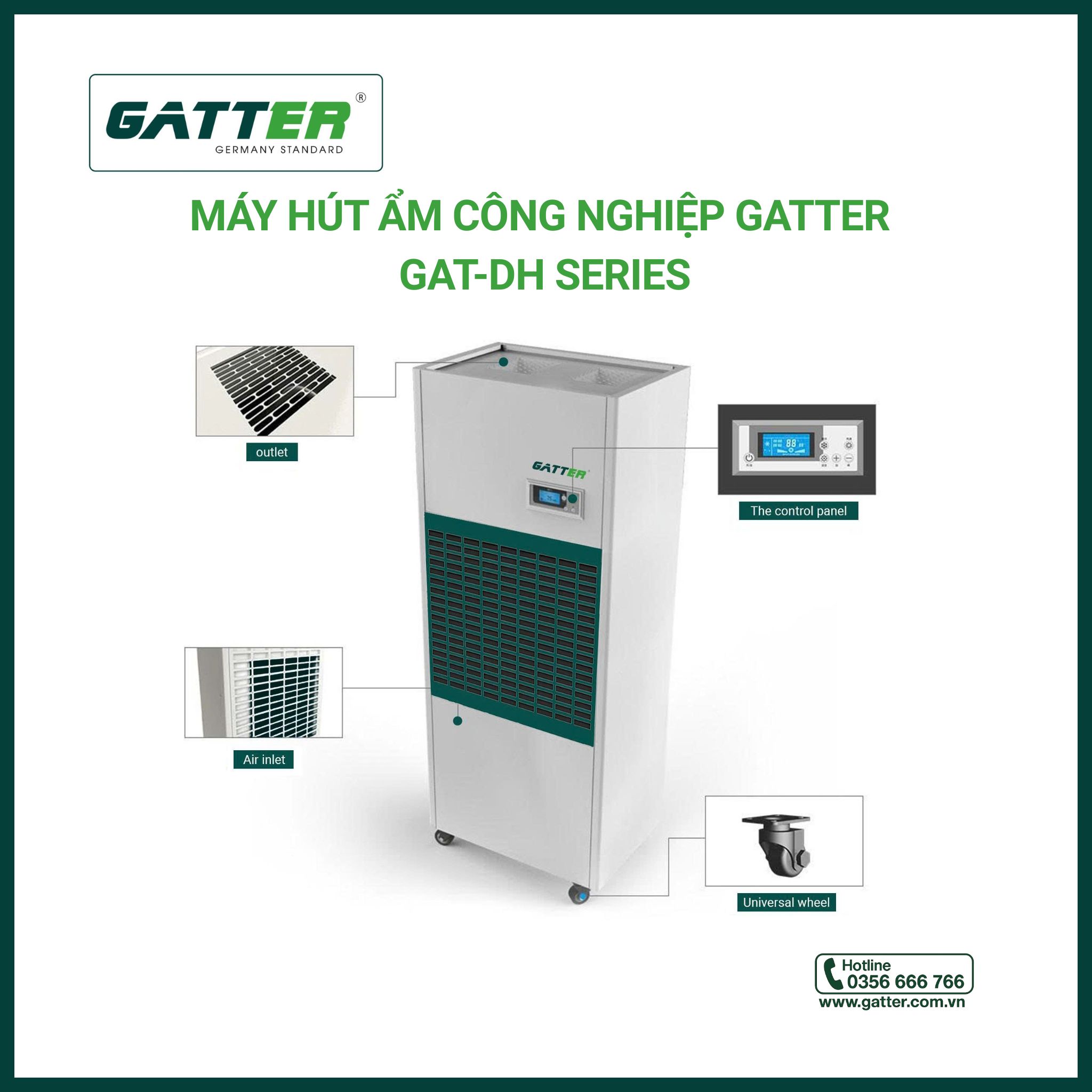
 Máy hút ẩm
 Điều hòa làm mát phòng rượu
 Điều hòa máy chủ/ server Gatter
 Điều hòa làm mát cho silo chứa hạt
 Cửa cách nhiệt
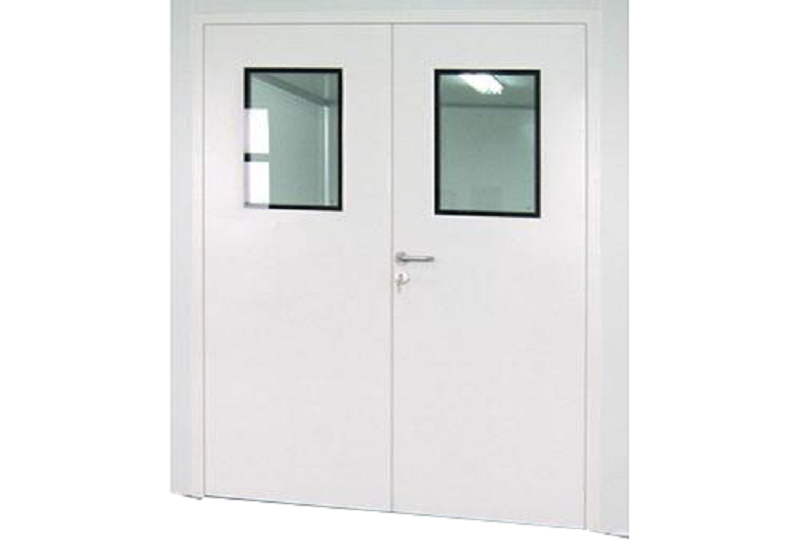 Cửa phòng sạch
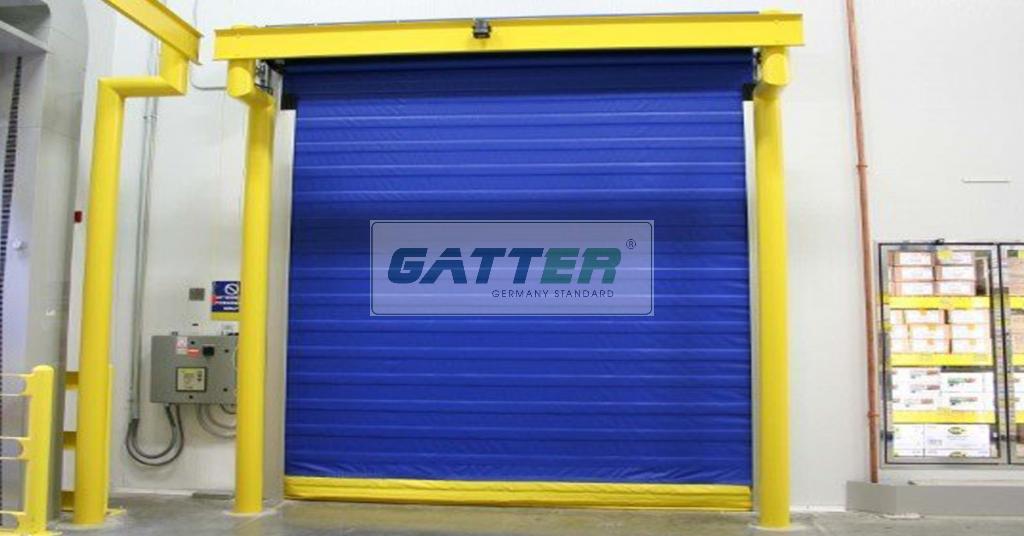 Cửa công nghiệp
 Bộ trùm túi khí
 Sàn nâng hạ thủy lực
How Many Litecoin Confirmations Are Required to Exchange LTC?

There is no single Litecoin confirmation count that applies to every LTC exchange. The required number is set by the receiving service for the specific order and may vary with the deposit method, destination asset, amount, operational risk controls, and compliance checks. Treat the confirmation target shown in the order as the controlling requirement.
A Litecoin transaction starts with zero confirmations while it is waiting outside a confirmed block. Its first confirmation appears when miners include it in a block on the active chain. Each block added after that increases the count. Litecoin Core calculates confirmations from the transaction’s block height and the current active-chain height; it also distinguishes confirmed, unconfirmed, and conflicted transactions. [1]
The LTC exchange state map
- Task: exchange LTC for the required asset.
- Transition condition: the intended result is clear, including which asset you will send and which asset you expect to receive.
- Check: confirm that the order is for an LTC deposit rather than another cryptocurrency with a similar ticker or name.
- Stop if it does not match: do not continue if the displayed deposit asset, payout asset, or direction differs from your original task.
- Input data: the order provides its deposit requirements.
- Transition condition: the requested exchange direction and Litecoin deposit method are currently available.
- Check: read the order page for the supported Litecoin network, deposit address, amount conditions, required confirmations, validity period, and any verification requirements.
- Stop if it does not match: pause if the confirmation target is missing, the network is unclear, or the order conditions have changed before payment.
- Verification: compare the order with the wallet transaction.
- Transition condition: your wallet can send ordinary LTC through the same Litecoin network accepted by the order.
- Check: compare the asset, network, full address, requested deposit amount, wallet fee, and any separately displayed reference field.
- Stop if it does not match: do not broadcast if the wallet selects a different network, changes the destination address, or leaves the expected recipient amount uncertain.
- Action: broadcast the LTC transaction.
- Transition condition: all irreversible details have been checked and the order is still active.
- Check: after sending, save the transaction ID and confirm that the wallet reports the transaction as broadcast.
- Stop if it does not match: do not send a second transaction merely because the first one has not appeared immediately. Diagnose it by transaction ID first.
- Waiting: confirmations accumulate.
- Transition condition: a Litecoin explorer or the sending wallet can find the same transaction ID.
- Check: verify the destination, amount, transaction status, and growing confirmation count against the order’s stated target.
- Stop if it does not match: contact support through the service’s official channel if the blockchain data differs from the order, rather than attempting to “correct” the deposit with another transfer.
- Confirmed result: the required count has been reached.
- Transition condition: the blockchain shows at least the number of confirmations requested for that order.
- Check: the service changes the deposit status from waiting to received, processing, completed, or an equivalent state and shows the agreed payout result.
- Stop if it does not match: if the threshold is reached but the order remains unchanged, preserve the order reference and transaction ID for investigation. Reaching the network threshold does not by itself guarantee that every operational or compliance check is complete.
Where to find the required confirmation count
The reliable answer is the number displayed in the active exchange order or its deposit instructions. A wallet’s generic label such as “confirmed” does not necessarily mean that an exchange has accepted the deposit. Litecoin Core can count funds with a configurable minimum number of confirmations, illustrating that the acceptance threshold is chosen by the receiving system rather than imposed as one universal value by the protocol. [2]
Read the target before sending. If an order says that more confirmations are needed than your wallet currently shows, wait for the order’s threshold. Do not rely on a number remembered from an earlier operation: a service can apply different requirements to another direction or update its deposit policy.
Litecoin targets a new block approximately every 2.5 minutes on average, but this is not a delivery schedule. The first confirmation may take less or more time, and later blocks are also produced at variable intervals. Multiplying the required count by 2.5 gives only a rough estimate, not a promised exchange time. [3]
Checks to complete before sending LTC
Asset and network
Select LTC as the asset being sent and use the Litecoin network specified by the order. A familiar-looking address is not enough to prove network compatibility. If the wallet offers several withdrawal or transfer methods, the selected method must match the deposit instructions exactly. Sending another asset or using an unsupported route may make automated crediting impossible.
Deposit address and Memo or Tag
Compare the entire deposit address, not only its first and last characters. Copy it directly from the active order and inspect it again after pasting, because clipboard-changing malware can substitute an attacker’s address. Standard Litecoin transfers normally rely on the destination address, but if the receiving service displays a Memo, Tag, payment ID, or another reference, follow that order-specific instruction exactly. Never invent a reference or reuse one from an older order.
Amount, network fee, and credited value
Distinguish the amount leaving your wallet, the network fee, and the amount delivered to the deposit address. Wallets may present these values differently. Before approval, make sure the recipient will receive an amount that satisfies the current order conditions after any fee treatment shown by the wallet. This article cannot provide a fixed fee, limit, or final rate because those values are dynamic and must be checked when the order is created.
Once the asset, direction, network, address, amount conditions, confirmation target, and applicable verification requirements are clear, you can open the exchange form and verify the current LTC order details. Do not proceed if any field differs from what you intended.
What happens after the transaction is sent
First, look for a transaction ID. A transaction visible to the network but not yet included in a block remains unconfirmed. Zero-confirmation acceptance carries double-spend risk, which is why receiving services commonly wait for inclusion in one or more blocks before treating funds as settled. [4]
After the first confirmation, compare the count in the order with an independent Litecoin explorer or your wallet. The explorer should show the same transaction ID, destination output, and amount. Be careful when a transaction contains several outputs: one may be the payment and another may be change returned to the sender’s wallet.
A confirmation counter can also stop growing or change if a block is no longer part of the active chain. Litecoin Core’s transaction states account for transactions becoming unconfirmed again during a chain reorganization and for conflicting transactions. Such events are a reason to wait for the receiving service’s required depth rather than treating a broadcast alone as final. [1]
Diagnosing a delayed or incorrect LTC transaction
- No transaction ID: the wallet may not have broadcast the transfer. Check its activity and error messages. Do not assume that funds were sent merely because a draft or approval screen was completed.
- Transaction ID exists but an explorer cannot find it: the wallet may not have propagated it successfully, or the explorer may be temporarily out of sync. Check another trusted Litecoin explorer and the wallet’s network status before taking further action.
- Transaction is visible with zero confirmations: it is waiting for inclusion in a block. Verify the recipient and amount, then wait. Repeated sending can create a second payment rather than speed up the first one.
- Confirmations are increasing but the order shows no deposit: compare the network, address, amount conditions, and order validity. If they match, provide the transaction ID and order reference to official support.
- The required count has been reached but processing continues: the blockchain stage may be complete while internal processing or compliance review remains open. Requirements can depend on the operation and the results of those checks; confirm the current conditions with the service.
- Wrong address, asset, or network: stop sending additional funds. Blockchain transactions are generally irreversible, and recovery may be technically impossible or subject to the recipient’s procedures. Report the exact facts without assuming or promising a refund.
- Explorer reports a conflict or the count falls: preserve the transaction details and wait for the network and receiving service to determine the accepted chain state. Do not treat the earlier count as the final result.
Use only the service’s official support route. Messages asking for a seed phrase, private key, wallet backup, or an extra “recovery payment” are strong phishing warnings. Legitimate transaction diagnosis can use the public transaction ID and order reference; it does not require surrendering control of your wallet.
When the route is complete
The route is complete when the correct LTC transaction has reached the confirmation threshold stated in the order and the service records the expected payout as completed. A blockchain confirmation count alone proves inclusion depth on Litecoin; it does not prove that the payout, compliance review, or every service-side step has finished.
Some uncertainty can remain around the time of the next block, changing exchange conditions before an order is created, and additional checks required for a particular operation or country. The safe rule is simple: use the confirmation target attached to the current order, verify it by transaction ID, and stop whenever the network, address, amount, or status no longer matches the original exchange task.